





安縵京都(Aman Kyoto)靜謐的森林庭園深處,藏著一處名為 Senkutsu 的茶舍。它不以張揚示人,而如一座被時間溫柔包裹的隱居之所,靜靜承載日本文化、工藝與靈性生活的深層意義。
茶舍位於苔蘚石徑的盡頭,依池而立,與周圍的自然景觀與安縵京都的建築語彙渾然一體。這裡不是為觀看而存在的空間,而是一個必須放慢腳步、收斂心神才能真正進入的所在。茶道在此不僅是一場儀式,更是一種關於「如何與人、與自然、與自身相處」的實踐。
Senkutsu 由專注於傳統數寄屋茶室建築的 SEN ART STUDIO 設計,完整體現裏千家(Urasenke)茶道精神。裏千家源自茶道宗師千利休(Sen no Rikyū),其哲學核心在於簡素、克制與內在的豐富。茶舍之名「Senkutsu」,由裏千家第十六代家元 Zabosai Sen Soshitsu 所命名,意為「智慧宗師之洞穴」——象徵一處遠離喧囂、回歸思考與覺知的精神空間。
建築由日本頂級數寄屋匠師工坊 Nakamura Sotoji Komuten 以傳統工法完成。茶舍所用的土牆,取自鷹峯地區的在地土壤;結構則以北山杉為骨,運用世代相傳的大木作技藝搭建。這並非復刻形式,而是讓材料、工藝與環境自然對話,使建築本身成為時間與土地的延伸。
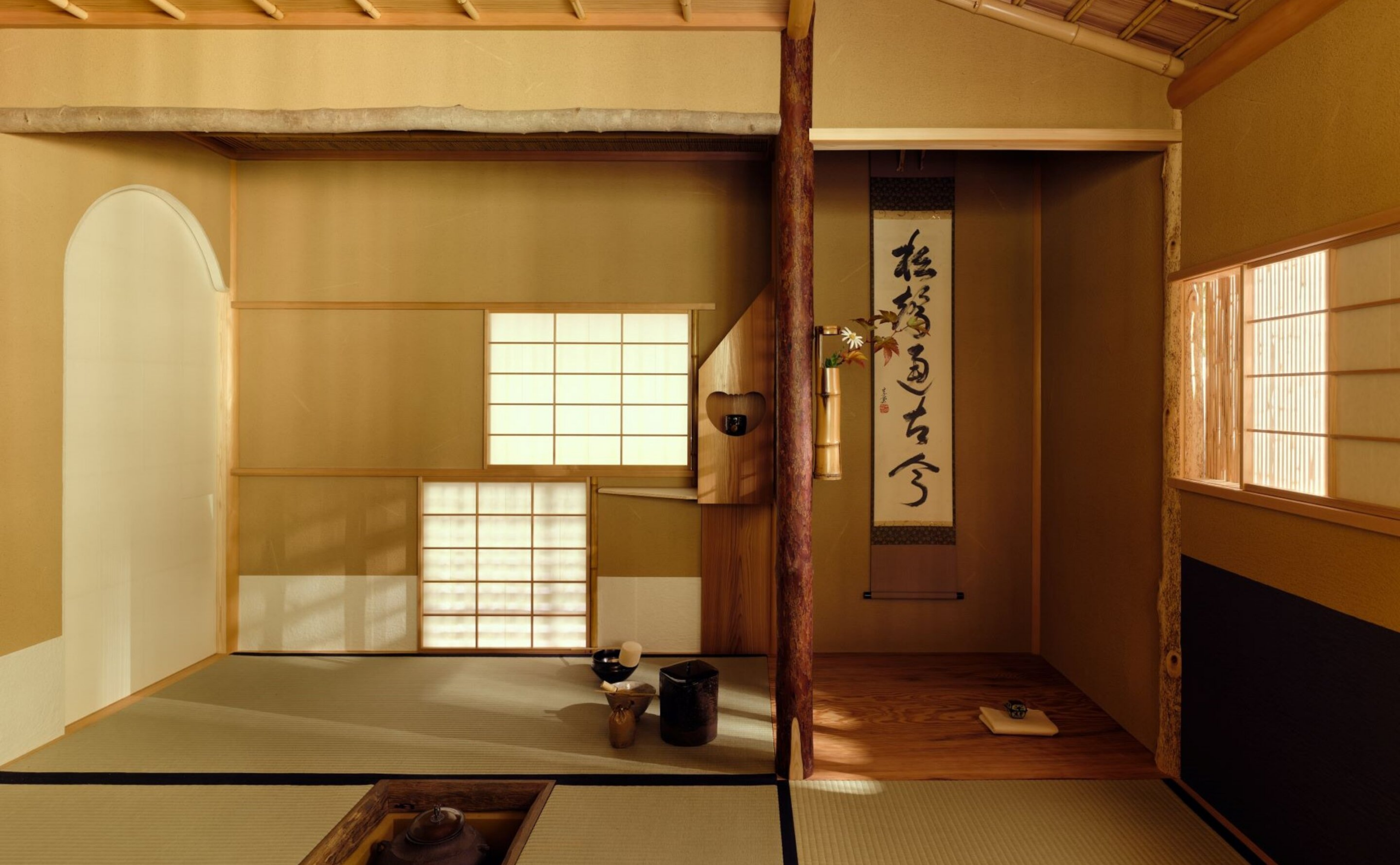
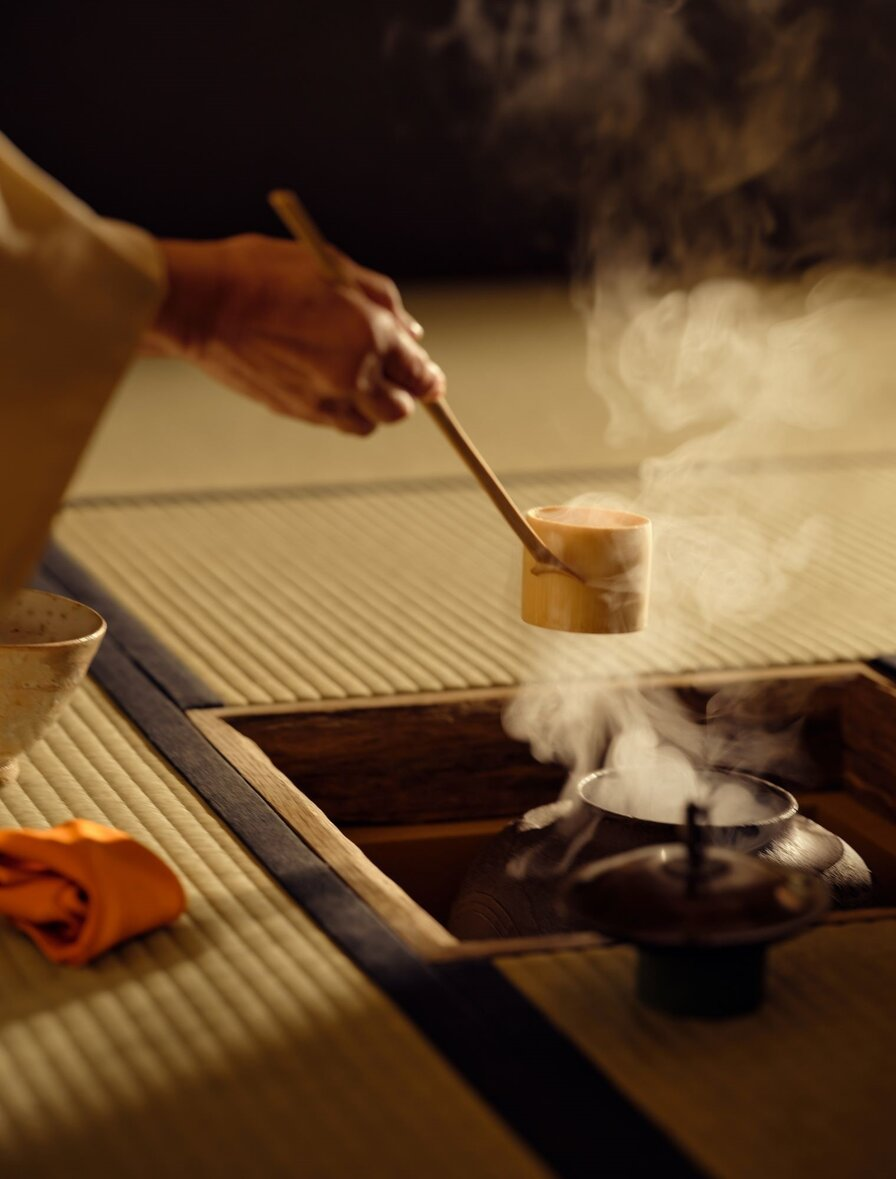
空間內設兩間性質各異卻同樣克制的茶室。跪禮式茶室 Koma,遵循最傳統的茶道形式。賓客需俯身通過低矮的躪口(nijiriguchi)入內,象徵謙遜與平等。四疊榻榻米構成極度節制的空間,壁龕「桝床(masu-doko)」中,書畫與花藝隨季節更替;茶釜微沸,蒸汽輕升,障子門篩入的柔光與影子在室內緩緩流動,使感官回歸當下。
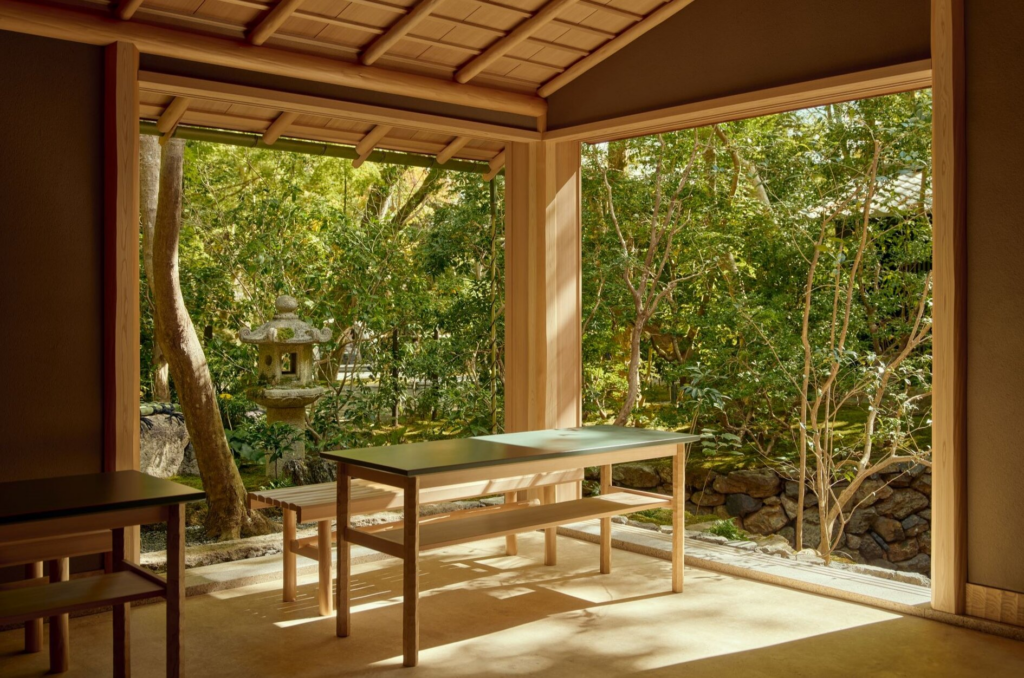
另一間立禮式茶室 Ryurei,以座椅形式呈現茶道體驗,讓更多賓客能在舒適之中親近茶道精神。與之相連的水屋(mizuya)亦作為文化活動空間,承載和菓子製作、書道、花道及藝術創作等多樣實踐,讓茶道不止於儀式,而延伸為生活美學的一部分。
對安縵京都而言,Senkutsu 並非一個展示空間,而是一種態度的具體化——對日本文化的敬重、對工藝時間性的理解,以及對靜謐價值的堅持。在這裡,茶不只是被品嚐,時間也被重新感知;片刻的安靜,成為一場深層而真實的文化相遇。
( All Photo Credit : Aman Kyoto)
Hidden deep within the serene forest garden of Aman Kyoto lies Senkutsu, a tea house that exists quietly beyond the notion of time. Unassuming in presence, it embodies the spiritual depth of Japanese culture, craftsmanship, and contemplative living.
Set at the end of a moss-lined stone path beside a tranquil pond, Senkutsu harmonizes seamlessly with Aman Kyoto’s architectural language and its surrounding natural landscape. This is not a space created for observation, but one that invites stillness—encouraging guests to slow down, settle the mind, and return to a heightened awareness of the present moment. Here, the tea ceremony is not merely performed; it is lived as a practice of respect, focus, and mindfulness.
Designed by SEN ART STUDIO, specialists in traditional sukiya tea house architecture, Senkutsu is a refined expression of the Urasenke tea tradition. Rooted in the philosophy of tea master Sen no Rikyū, Urasenke embodies an aesthetic of restraint, simplicity, and inner richness. The name “Senkutsu,” bestowed by the 16th-generation Grand Master Zabosai Sen Soshitsu, translates as “a cave of the master of wisdom,” evoking a sanctuary for contemplation and spiritual retreat.
The tea house was constructed by renowned sukiya craftsmen Nakamura Sotoji Komuten, using time-honored techniques. Earthen walls were formed from soil sourced locally in the Takagamine area, while the structure is framed with Kitayama cedar, assembled through traditional Japanese timber craftsmanship. Materials, technique, and environment resonate in harmony, allowing the architecture to become an extension of the land itself.
Senkutsu comprises two distinct tea rooms.
The Koma tea room follows the most traditional form of the tea ceremony. Guests enter through a low nijiriguchi entrance, a gesture symbolizing humility and equality. Within the four-and-a-half tatami space, a masu-doko alcove displays seasonal calligraphy and floral arrangements, while the gentle sound of simmering water and filtered light through shoji screens draw the senses inward.
The Ryurei tea room offers a seated interpretation of the tea ceremony, allowing guests to experience the ritual in greater comfort. Connected to the mizuya, this space also supports cultural programs such as wagashi making, calligraphy, flower arrangement, and artistic workshops—extending the spirit of tea into everyday aesthetic practice.
For Aman Kyoto, Senkutsu is not a feature, but a philosophy made tangible—a reflection of respect for cultural heritage, an understanding of craftsmanship shaped by time, and a devotion to stillness and mindful presence. Here, tea is savored, time is softened, and quiet moments unfold into profound cultural encounters.